0

DTECH Articles

23/02/2026

Why Fibre Optic Prices Have Increased in 2026

If you have priced fibre optic cable in the last six months and been surprised by what you found, you are not alone. From late 2025 into 2026, global fibre...

16/02/2026

What is a Keystone Jack and How Does It Affect Network Performance?

A keystone jack is one of the smallest components in a structured cabling installation and one of the most consequential. It is the modular connector that terminates the permanent horizontal...

09/02/2026

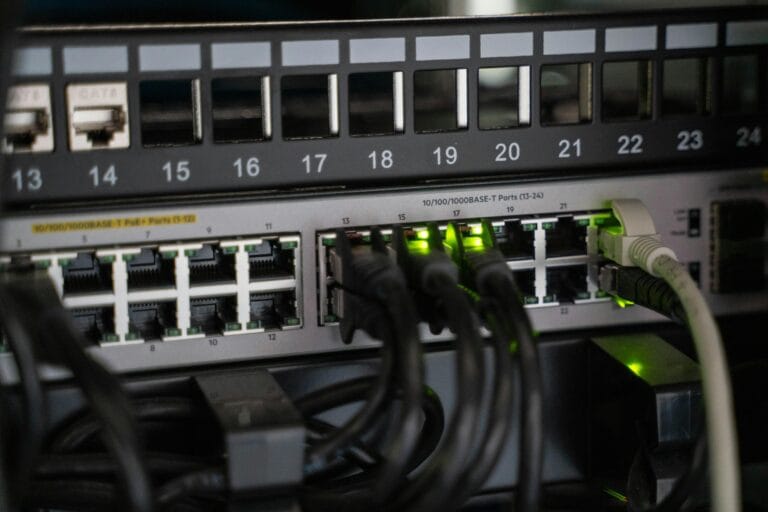
What is a Patch Panel: Why They Matter and How to Choose

A patch panel is one of those components that is easy to overlook when planning a network — it does not switch, route, or process data, and to the uninitiated...

02/02/2026

What is Structured Cabling: A Complete Guide for IT Managers and Installers

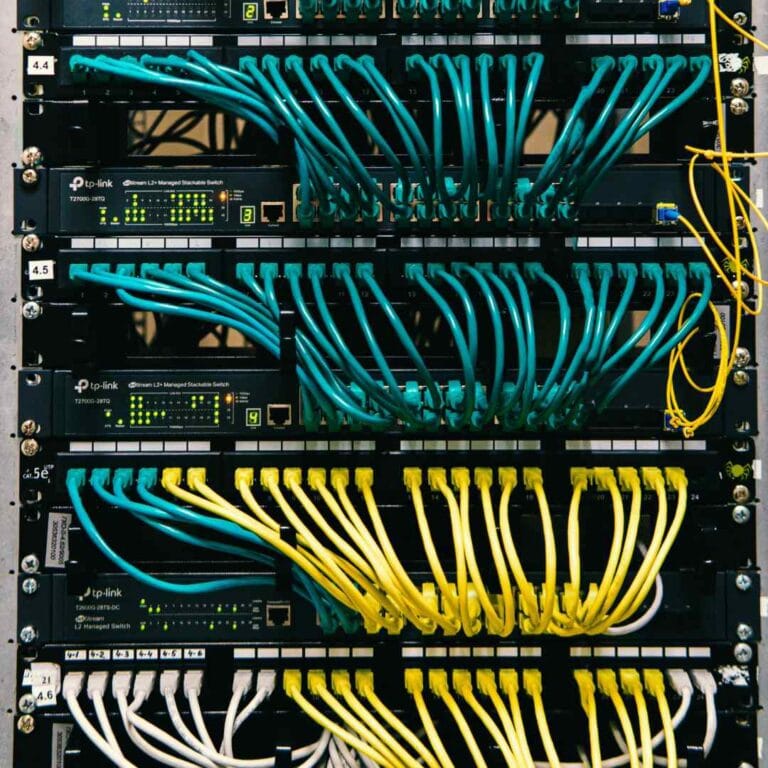
Structured cabling is the term for a building's permanent telecommunications wiring infrastructure — the cables, outlets, patch panels, and distribution equipment that form the physical foundation every networked device in...

26/01/2026

Control4, Crestron and Lutron Cable: What’s the Difference and Do You Need Dedicated Cable?

Control4, Crestron, and Lutron are three of the most widely installed smart building and AV control platforms in the UK and international market. All three specify a particular cable construction...

19/01/2026

What is Control Cable, How It Differs from Data Cable and When to Use Each

Control cable is one of those terms that gets used loosely across the AV, automation, and building services industries — sometimes to mean any low-voltage cable, sometimes to mean something...

12/01/2026

Speaker Cable for Commercial Installations: A Guide to 100V Line, Gauge and Run Length

100V line — also called constant voltage or high impedance audio — is the standard system architecture for distributed audio in commercial buildings. Schools, hotels, retail spaces, offices, and transport...

05/01/2026

Solid vs Stranded Copper Data Cable: Which Do You Need?

Copper data cable comes in two fundamentally different conductor constructions: solid and stranded. The names describe exactly what they are — a solid core uses a single continuous copper wire...